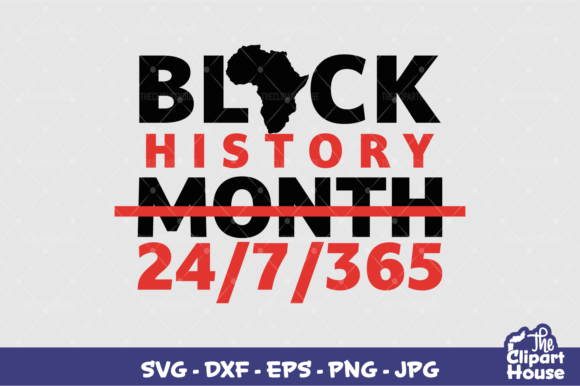
Black History Month 24 7: Redefining Celebration Through Design and Accessibility
The traditional framework of Black History Month has long been anchored to the month of February, a time designated for reflection, education, and celebration. However, a shifting cultural and digital landscape is challenging this temporal boundary. The concept of Black History Month 24 7 is not merely a slogan; it represents a profound evolution in how history, identity, and culture are integrated into daily life. It signals a move away from viewing Black heritage as a seasonal observance toward recognizing it as an integral, continuous thread in the fabric of society. For creators, entrepreneurs, and designers, this shift presents both a moral imperative and a significant market opportunity.
This movement aligns with broader societal trends demanding authenticity and year-round representation. As audiences become more discerning, they seek content that reflects their realities beyond curated calendars. For businesses and hobbyists alike, understanding this transition is crucial. It is no longer sufficient to honor Black history only when it is convenient or culturally mandated. Instead, the demand is for designs that resonate with depth, respect, and relevance throughout the entire year. This is where design technology intersects with social consciousness, offering tools that allow individuals to express these values tangibly.
The Intersection of Technology and Cultural Expression
The democratization of design has played a pivotal role in this cultural shift. Tools such as Cricut, Silhouette, and other popular cutting machines have lowered the barrier to entry for professional-quality creation. These devices empower users to transform digital concepts into physical artifacts with precision and ease. When combined with the ethos of Black History Month 24 7, these machines become instruments of empowerment, allowing creators to produce meaningful merchandise, educational materials, and personal expressions of pride.
Gone are the days when high-quality graphic design required expensive software licenses or specialized degrees. Today, a hobbyist with a basic understanding of file formats can create intricate designs that celebrate Black culture, history, and achievement. This accessibility fosters a diverse creative ecosystem where voices that were previously marginalized can now speak directly to their communities. Whether it is a small business owner launching a line of inclusive apparel or a teacher creating classroom resources, the technology enables a level of engagement that was previously out of reach.
Understanding the Versatility of Digital Design Files
To leverage these technologies effectively, one must understand the underlying digital assets. The modern creator does not just buy a product; they acquire a versatile toolkit. A typical design package for projects related to Black History Month 24 7 often includes multiple file formats, each serving a specific purpose in the production workflow. This multi-format approach ensures that the design can be adapted to various mediums, from fabric to vinyl to screen printing.
When you download a comprehensive design package, you are typically receiving a suite of files designed to maximize utility:
- SVG (Scalable Vector Graphics): This is the primary format for cutting machines like Cricut and Silhouette. SVG files are vector-based, meaning they can be resized infinitely without losing quality. This is essential for creating precise cuts on t-shirts, hats, and stickers.
- PNG (Portable Network Graphics): Often used for print-on-demand services or digital displays, PNG files support transparency. This allows the design to overlay seamlessly onto different background colors or textures, making it ideal for mockups and web graphics.
- JPEG (Joint Photographic Experts Group): While raster-based, JPEGs are widely compatible and useful for quick previews or lower-resolution printing needs. They provide a visual reference for how the final design might look in a real-world setting.
- EPS (Encapsulated PostScript): Preferred by professional graphic designers for further editing in software like Adobe Illustrator. EPS files retain vector data and complex paths, allowing for deep customization of typography and shapes.
- DXF (Drawing Exchange Format): Similar to SVG, DXF files are compatible with many cutting plotters and laser engravers. They are particularly useful for woodworking or metal engraving projects where precise dimensional accuracy is required.
It is important to note that these files are usually compressed into a single archive. To access them, you will need a zip program or similar extraction tool. This standard packaging ensures that all necessary components are delivered efficiently, ready for immediate use in your creative projects.
Practical Applications Across Industries
The application of these designs extends far beyond simple decoration. The versatility of the formats allows for integration into a wide array of products and services. For instance, heat transfer printing and iron-on techniques enable the creation of custom clothing that serves as a mobile billboard for cultural pride. T-shirts, hoodies, and tote bags become canvases for messages that affirm identity and history.
Beyond apparel, the demand for personalized stationery and party supplies is growing. Invitations for cultural events, birthday parties, or community gatherings can feature bespoke designs that reflect the theme of year-round celebration. Business cards and website designs benefit from this attention to detail, signaling to clients and visitors that the brand values inclusivity and historical awareness. Even jewelry and home decor items can incorporate these designs, turning everyday objects into conversations starters about heritage and progress.
For educators, these digital files offer a resource-rich way to enhance curricula. Teachers can create posters, worksheets, and classroom decorations that keep Black history visible and relevant throughout the academic year, not just in February. This supports a more holistic educational experience that acknowledges the ongoing contributions of Black individuals to science, art, politics, and culture.
Meeting Modern Consumer Expectations
Consumers today are increasingly value-driven. They prefer to support brands and creators whose actions align with their beliefs. The push for Black History Month 24 7 resonates with this desire for consistency. Audiences are skeptical of "performative allyship"—superficial gestures made only during peak awareness months. By incorporating year-round themes into their designs and marketing strategies, businesses demonstrate a genuine commitment to diversity and inclusion.
This approach also taps into the growing trend of personalization. In an era where mass production dominates, consumers crave unique, handcrafted items. Cutting machines allow for small-batch production, enabling creators to offer limited-edition designs that feel exclusive and special. This scarcity, combined with meaningful content, drives engagement and loyalty. Customers are not just buying a sticker or a shirt; they are buying into a narrative that they wish to share with their own networks.
Best Practices for Creators and Businesses
As you integrate these designs into your workflow, consider the following practical recommendations to ensure success and ethical alignment:
- Respect the Source: Ensure that the designs you use or create are respectful and accurate. Avoid stereotypes or caricatures. Collaborate with Black artists and designers when possible to bring authentic perspectives to your work.
- Quality Matters: Invest in good materials. High-quality vinyl, durable fabrics, and premium paper stocks reflect the value of the message. Poor craftsmanship can undermine the significance of the design.
- Educate Your Audience: Use your platform to educate. Include brief descriptions or stories behind the designs. Help your customers understand the historical context or the significance of the symbols they are wearing or displaying.
- Diversify Your Offerings: Do not limit yourself to traditional imagery. Explore contemporary art, modern typography, and innovative layouts. Show that Black culture is dynamic, evolving, and multifaceted.
The transition to a 24/7 appreciation of Black history is a journey that requires ongoing effort and adaptation. However, the tools available today make this journey more accessible than ever before. By leveraging digital design files and modern cutting technology, creators can play a vital role in normalizing year-round representation. This is not just about selling products; it is about contributing to a cultural shift that honors the past while empowering the present and future.
Whether you are a seasoned entrepreneur looking to expand your product line or a hobbyist eager to start a new project, the availability of versatile, high-quality design files provides a solid foundation. Embrace the potential of Black History Month 24 7 to create designs that are not only visually appealing but also socially impactful. In doing so, you join a growing community of makers who believe that history should never be left on the shelf, but rather worn, shared, and celebrated every day.