God's Daughter Design for Crafting
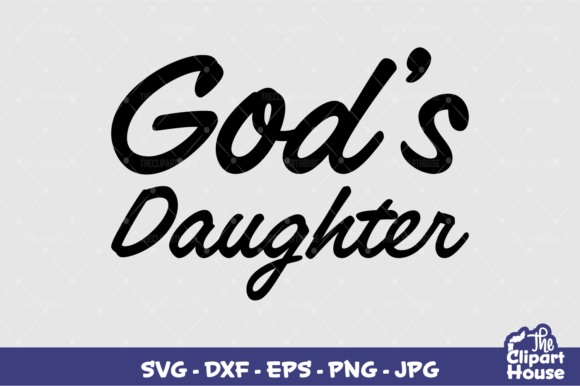
In the realm of visual communication, few phrases carry as much emotional weight and identity-driven power as God s Daughter. For graphic designers and creative entrepreneurs, this phrase represents more than just text; it is a cornerstone of personal branding that resonates deeply with faith-based communities. When integrated into high-quality design assets, it allows creators to produce merchandise, digital products, and marketing materials that speak directly to the heart of their audience. The intersection of spiritual identity and professional design creates a unique opportunity to build trust and connection through every pixel and print.
The Power of Faith-Based Visual Identity
Effective branding relies on consistency, clarity, and emotional resonance. A design featuring "God's Daughter" taps into a specific demographic that values authenticity and tradition. From a graphic design perspective, the typography and layout must reflect reverence while maintaining modern aesthetics. Whether you are crafting a logo for a Christian boutique or designing social media graphics for a ministry, the visual hierarchy should guide the viewer’s eye naturally to the message. This approach not only enhances user experience but also strengthens brand identity by aligning visual cues with core values.
When selecting design elements for such sensitive topics, readability and scalability are paramount. A well-executed design ensures that the message remains clear whether viewed on a mobile screen or printed on a large banner. This versatility is crucial for digital marketing campaigns where attention spans are short, and first impressions matter most.
Technical Versatility for Modern Creators
To maximize the utility of any design asset, compatibility across various platforms and tools is essential. High-quality files allow designers to move seamlessly from concept to creation without losing resolution or detail. The inclusion of multiple file formats ensures that your creative projects can be adapted for both digital and physical applications.
- SVG (Scalable Vector Graphics): Ideal for cutting machines like Cricut and Silhouette, allowing for precise vector paths that scale infinitely without pixelation.
- PNG: Perfect for web use and digital marketing, offering transparency support for clean overlays on various backgrounds.
- JPEG: A standard format for quick previews and basic image editing, ensuring broad accessibility.
- EPS: Essential for professional print design and packaging design, providing high-resolution vector data for large-format printing.
- DXF: Compatible with CAD software and other engineering-focused cutting tools, expanding the range of possible physical outputs.
Having these diverse formats available streamlines the design workflow, enabling creators to tackle everything from jewelry engraving to website designs with confidence. It eliminates the need for complex conversions that might degrade quality, ensuring a professional presentation across all touchpoints.
Practical Applications in Creative Projects
The application of these design assets extends far beyond simple t-shirts. Consider how typography and color palette choices can elevate a brand. For instance, using elegant serif fonts paired with soft, earthy tones can create a sophisticated look suitable for wedding invitations or stationery. Conversely, bold sans-serif fonts with vibrant colors might work better for energetic social media graphics or promotional stickers.
In editorial design and UI/UX design, consistent use of thematic elements helps maintain visual coherence. If a brand uses "God's Daughter" motifs, these should be reflected subtly in iconography, button styles, and background textures. This holistic approach improves user engagement by creating an immersive environment that feels intentional and curated.
Selecting and Evaluating Design Assets
When sourcing creative assets, designers should prioritize originality and technical precision. Look for files that offer clean lines and well-defined paths, especially when preparing for heat transfer printing or iron-on applications. Poorly constructed vectors can result in jagged edges or misaligned cuts, undermining the professional quality of the final product.
Furthermore, consider the adaptability of the design. Can the color scheme be easily modified to fit different seasonal trends? Is the typography legible at small sizes for business cards or jewelry tags? These factors contribute to the longevity and versatility of the asset, making it a valuable investment for long-term branding efforts.
Ultimately, thoughtful design choices go beyond aesthetics; they communicate values and foster community. By leveraging high-quality, versatile files, creators can produce work that not only looks polished but also connects meaningfully with viewers. In a crowded digital landscape, the ability to convey depth and sincerity through visual design is what sets exceptional brands apart.