Juneteenth Free-ish: A Practical Guide to Designing for Freedom and Creativity
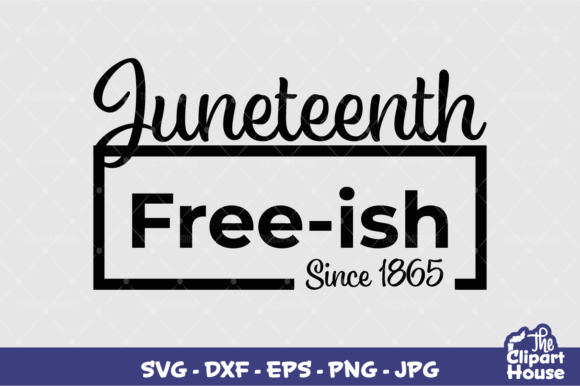
Planning a celebration or creating meaningful merchandise for Juneteenth requires more than just selecting a date on the calendar; it demands thoughtful design that honors history while embracing modern creativity. The term Juneteenth Free-ish has emerged as a distinct aesthetic and conceptual approach within the crafting community, offering a relaxed yet respectful interpretation of freedom, liberation, and self-expression. For creators using cutting machines like Cricut, Silhouette, and other digital fabrication tools, this style provides a versatile foundation for projects ranging from personal apparel to professional event materials.
This article explores what makes the "Free-ish" design philosophy effective, how it compares to traditional historical motifs, and why its multi-format availability makes it a practical choice for various applications. Whether you are an experienced designer or a hobbyist looking to expand your repertoire, understanding the nuances of this approach will help you make informed decisions about your creative output.
Understanding the Juneteenth Free-Aesthetic
The concept behind Juneteenth Free-ish lies in its balance between solemnity and celebration. Traditional Juneteenth designs often rely heavily on specific historical imagery, such as broken chains, dates like 6/19, or formal typography. While these elements are powerful and necessary, they can sometimes feel rigid or overly ceremonial for casual gatherings, youth-oriented events, or everyday wear.
The "Free-ish" approach shifts the focus toward the feeling of liberation itself. It emphasizes fluidity, joy, and individual expression. Visually, this might translate into looser script fonts, abstract representations of birds or open skies, and color palettes that blend traditional reds, blacks, and greens with softer pastels or vibrant modern hues. This style is not about diminishing the historical significance of Juneteenth but rather about making the theme accessible and relatable to a broader audience, particularly younger generations who may view the holiday through a lens of ongoing social progress and personal empowerment.
Distinctive Features Compared to Traditional Motifs
When evaluating design options, it is helpful to compare the "Free-ish" style against more conventional approaches. Traditional designs often prioritize explicit symbolism—using literal icons to convey meaning. In contrast, the Free-ish aesthetic relies on mood and atmosphere. This distinction is crucial for creators because it affects how the final product is perceived by viewers.
- Symbolism vs. Sentiment: Traditional designs communicate facts (the end of slavery), while Free-ish designs communicate feelings (the experience of freedom). This makes them ideal for clothing items where the wearer wants to express solidarity without necessarily making a political statement.
- Rigidity vs. Flow: Geometric shapes and strict borders are common in standard templates. The Free-ish style often incorporates organic lines and hand-drawn elements, which add a human touch that resonates well in handmade crafts.
- Formality vs. Casualness: Many Juneteenth graphics are designed for formal invitations or official banners. The Free-ish variant is inherently more casual, making it suitable for sticker packs, water bottles, and informal party decorations.
Technical Versatility Across Cutting Machines
One of the strongest arguments for choosing a design file set labeled as Juneteenth Free-ish is its technical adaptability. Modern crafting relies heavily on vector-based workflows, and the availability of multiple file formats ensures compatibility with a wide range of hardware and software ecosystems.
Compatibility with Cricut and Silhouette
Cricut users typically prefer SVG files, which allow for easy manipulation of colors and layers within the Cricut Design Space. The inclusion of an SVG file in the download package means that users can resize the design without losing quality, change font properties if desired, and cut intricate details with precision. Similarly, Silhouette Studio users benefit greatly from the EPS and DXF files provided. These formats are native to vector editing environments, allowing for advanced adjustments that might not be possible in simpler cutting interfaces.
The presence of both SVG and DXF/EPS covers the two major market segments in the home cutting machine industry. This dual support reduces friction for users who may switch platforms or collaborate with others using different software. For instance, a user might design in Silhouette using the EPS file but export to PNG for use in a web-based invitation tool, ensuring seamless workflow integration.
The Role of Raster Formats
While vector files are essential for cutting, raster images play a critical role in printing. The JPEG and PNG files included in the package serve different purposes. High-resolution PNGs with transparent backgrounds are ideal for direct-to-film transfers or printing onto clear vinyl stickers. They preserve the integrity of the design’s edges, which is vital for the organic, flowing lines characteristic of the Free-ish style. JPEGs, while compressed, are sufficient for quick previews or low-stakes print jobs, such as drafting ideas for party favors.
Application Scenarios and Use Cases
Understanding where Juneteenth Free-ish fits best helps in deciding whether this resource aligns with your current project needs. The versatility of the format allows it to span across several categories, each requiring slightly different handling techniques.
Apparel and Heat Transfer Vinyl
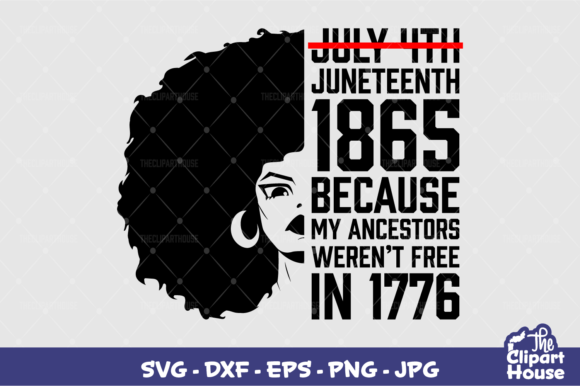
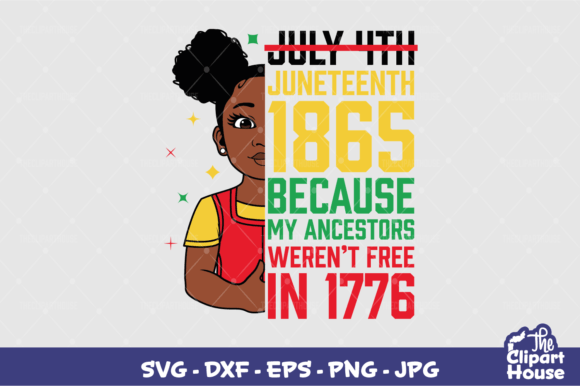
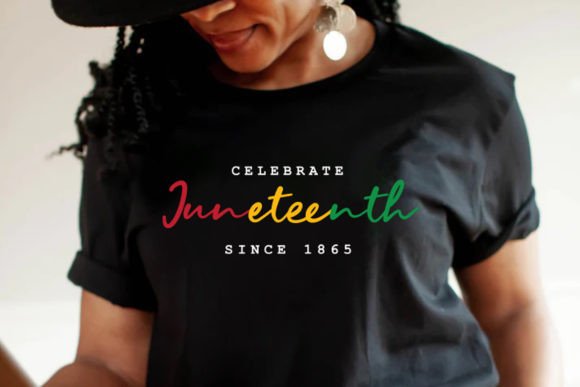
Clothing remains one of the most popular uses for custom Juneteenth designs. The Free-ish aesthetic works exceptionally well on t-shirts, tote bags, and hoodies. Because the design often features softer curves and less dense text, it holds up better on fabric than highly detailed, solid-block graphics, which can crack or peel over time. When using heat transfer vinyl (HTV), the layered nature of the SVG file allows crafters to separate background elements from foreground text, enabling two-tone effects that add depth to the garment.
Stationery and Event Planning
For those organizing community picnics, church services, or family reunions, stationery is key. Invitations, save-the-dates, and thank-you notes benefit from the approachable tone of the Free-ish style. Unlike formal calligraphy scripts that might feel out of place at a backyard barbecue, the relaxed typography invites guests to participate in a spirit of ease and joy. Printing these designs on cardstock using a home printer or sending digital PNG versions via email ensures consistency across all communication channels.
Stickers and Small Goods
The small-scale application of these designs is perhaps where their flexibility shines brightest. Stickers made from the PNG or SVG files can be used on laptops, water bottles, and journals. The transparent background feature of the PNG file is particularly useful here, allowing the sticker to blend seamlessly with any surface color. Additionally, business cards for entrepreneurs celebrating the holiday can utilize the design to brand their services with cultural relevance without appearing too corporate.
Evaluating Tradeoffs and Limitations
No single design solution is perfect for every situation. It is important to recognize the limitations of the Juneteenth Free-ish approach to ensure it meets your specific goals.
Lack of Historical Specificity: If your goal is to educate an audience on the specific historical events of June 19, 1865, or to create content for a museum exhibit, the abstract nature of the Free-ish style may be insufficient. In such cases, designs featuring explicit dates, maps, or portraits of figures like Major General Gordon Granger would be more appropriate. The Free-ish style is better suited for emotional resonance than historical documentation.
Print Quality Dependencies: While the vector files ensure scalability, the final output quality depends on the user’s equipment. A low-quality cutter blade or poor adhesive vinyl can ruin even the best design. Furthermore, when converting vector files to raster formats for large-format printing, resolution issues can arise if the original pixel dimensions are not sufficient. Users must be mindful of DPI settings when preparing files for large banners or posters.
Color Management: The Free-ish palette often includes subtle gradients or muted tones. Reproducing these accurately in vinyl or ink can be challenging due to the limited color gamuts of physical media. Digital screens display colors differently than printed materials, so users should always test a small sample before committing to a full run of products.
Decision Factors: Is This Right for You?
Choosing whether to use a Juneteenth Free-ish design file depends on your target audience, medium, and intent. Consider the following questions to guide your decision:
- Who is the audience? If you are targeting teens, young adults, or a general consumer base, the casual, expressive nature of this style is likely to resonate. For academic or strictly historical contexts, consider more traditional designs.
- What is the medium? If you are producing small, tactile items like stickers or apparel, the multi-format pack (SVG, PNG, JPEG, EPS, DXF) offers maximum utility. If you only need a simple image for a website header, the JPEG or PNG alone may suffice, though having the vector source files allows for future expansion.
- What is the tone? Do you want to evoke a sense of solemn remembrance or joyful celebration? The Free-ish style leans heavily toward celebration and personal freedom, making it ideal for parties and community gatherings.
By carefully weighing these factors, creators can determine if the Juneteenth Free-ish asset pack aligns with their creative vision. Its strength lies in its adaptability and its ability to bridge the gap between historical reverence and contemporary lifestyle aesthetics. For those equipped with cutting machines and a desire to produce meaningful, high-quality goods, this resource provides a robust toolkit for honoring the holiday in a way that feels both authentic and modern.
Ultimately, the value of this design collection is not just in the files themselves, but in the freedom they offer to experiment, iterate, and personalize. Whether you are a seasoned pro or just starting out, the combination of technical flexibility and artistic openness makes Juneteenth Free-ish a compelling option for anyone looking to contribute to the rich tapestry of Juneteenth celebrations.